Corporate video production goes brief, plan, shoot, edit, deliver. The brief does most of the work: it says who the film is for and what they should do after watching. Get that right and the rest follows. Skip it and you get a lovely film nobody knows where to put.
We make business videos from our studio on Lee Road in Blackheath: promos, interviews, event films and reels, all shot and edited in-house. Below is how a project actually runs, start to finish, so you know what you're signing up for and where your time goes.
What should go in a corporate video brief?
Most briefs start with "we need a video". That's a fair opening, in the way "I need a house" is a fair opening for an architect. It tells us you're serious. It doesn't yet tell us how many bedrooms.
A useful brief answers a handful of plain questions:
- Who is watching? One type of person, ideally. "Everyone" is not an audience, it's a crowd.
- What should they do afterwards? Book, call, apply, trust you a bit more. Pick one.
- Where will it live? Your homepage, a pitch deck, Instagram, a screen at an event. Each needs something different.
- What has to be in it? A product, a place, a person, a message the board insists on.
- Who signs off? One name. A film approved by committee tends to look like it.
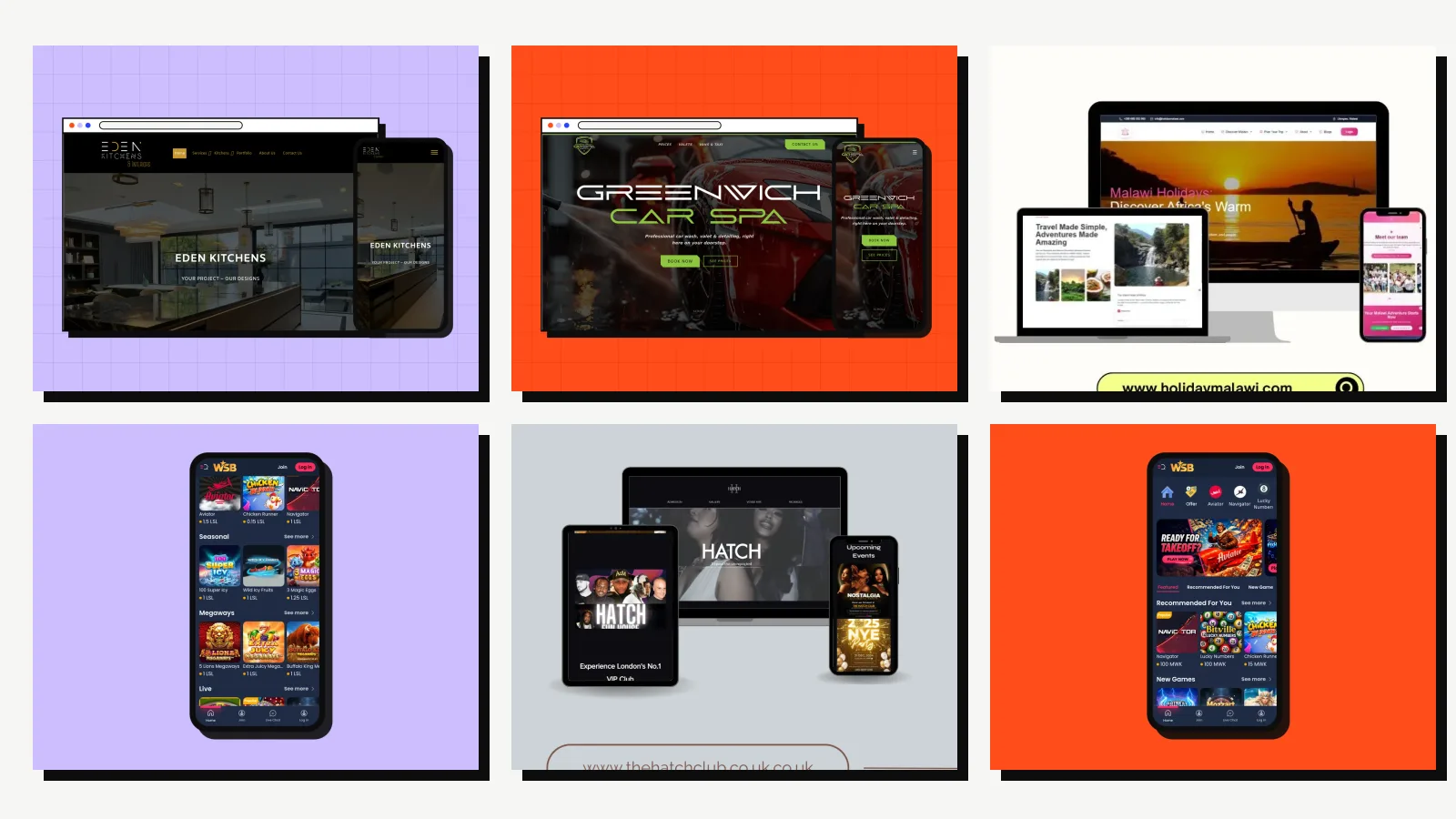
When we made the promo video for The Hatch, the brief was private hire. That single phrase did a lot of the thinking for us. It told us the audience was people planning a party or a works do, not regulars checking what's on this Friday, and that shaped what we filmed and what we left out.
If you only have time for one question, make it the second one. A film that doesn't know what it wants the viewer to do will wander about pleasantly for two minutes and then stop.
What happens before anyone picks up a camera?
This is pre-production, and it's where the money is saved or quietly lost. Once the brief is agreed we turn it into a plan you can read and argue with before a single day is booked.
The shape of the film
First we settle the format. A presenter-led film, like the stadium video we shot for World Star Betting, needs a proper script and someone who is comfortable talking to a lens. An interview film works the other way round: you write questions, not answers, and let people speak in their own words. Some films need no talking at all, just pictures and music, which is harder than it sounds because the pictures have to carry everything.
The practical bits
Then come the things nobody puts in the trailer:
- a shot list, so we know what we need and you know what we're filming
- locations, and permission to film in them
- who's appearing, and their written consent
- a schedule for the day that allows for things taking longer than planned
That last point deserves a second look. Things always take longer than planned. It is one of the few reliable laws of the physical universe, alongside gravity and toast landing butter side down.
We've written a full checklist for this stage: planning a video shoot day. It's worth a read before you book anything.
What happens on the shoot day?
The crew arrives, unloads more kit than seems reasonable, and spends a while setting up before anything that looks like filming happens. This is normal. Lighting a room properly and getting clean sound takes time, and both matter more than the camera does.
Sound in particular is the part nobody notices until it's bad. Viewers will forgive a slightly soft picture. They will not sit through an interview that sounds like it was recorded in a biscuit tin.
A few things make the day go better from your side:
Keep the people being filmed free of other duties while they're on. Someone answering emails between takes never quite arrives back in the room. Brief your team that a crew is coming, so nobody wanders through the back of a shot carrying a recycling bin. And if you have a choice between your real staff and hired actors, real staff are usually more convincing, provided they're willing. Nobody describes your business better than the people who run it.
Not every shoot is in a room you control. When we filmed the lodges and the lake for Malawi Holidays, the light decided a fair bit of the schedule, and light does not take bookings. We build some slack into outdoor days for exactly that reason.
How does the edit work, and how many rounds of changes do you get?
Editing is where the film actually gets made. The shoot gathers the ingredients; the edit decides what the dish is.
It usually goes in stages. First a rough cut, which puts the story in order so you can judge whether it makes sense. Then a fine cut, where the timing gets tightened and the weaker moments go. After that come the finishing jobs: colour grading so every shot looks like it belongs in the same film, a sound mix, music, titles and captions.
You'll be asked for feedback at each stage, and the way you give it makes a real difference. A few tips:
- Collect everyone's comments into one list before sending.
- Note the time in the video each comment refers to.
- Say what feels wrong, even if you don't know how to fix it. That's our job.
"Can it be more punchy?" is honest and well meant, and we'll do our best with it. "The bit at 0:40 drags, and I'd rather open on the team than the building" gets you there faster.
Agree how many rounds of changes are included before the project starts, so nobody is surprised later.
What should you get at the end?
Not just one film. A single long video sitting on your homepage is a bit like buying a suit and only wearing it to weddings.
From one shoot you can usually get the main film, a shorter edit for your website, and vertical cutdowns for reels and stories. Ask for captioned versions, because plenty of people watch on their phones with the sound off. If short clips are new territory for you, our guide to short-form video for small businesses covers where to start.
Make sure you also get the final files themselves, in formats you can upload anywhere, and know where they're stored. If we're also running your social media, we'll plan those cutdowns into the monthly posts from the beginning rather than as an afterthought.
How much does corporate video production in London cost?
It depends on what's being made, and we don't publish a fixed price because two corporate videos can be very different jobs. The things that move the cost are:
- how many shoot days and locations are involved
- the size of the crew needed
- whether there's a presenter, actors or voiceover
- animation or motion graphics, like the animated TV spot we made for World Star Betting
- how many versions and cutdowns you need
A good quote should break these down so you can see where the money goes and decide what matters to you. If a quote is a single number with no detail, ask for the detail.
Quick answers
How long should a corporate video be?
As long as it needs to be for where it's going. A homepage film or social clip should be short; a detailed explainer or recruitment film can run longer if it keeps earning attention.
Do we need a script?
For presenter-led films, yes. For interview films, you need good questions instead, so people sound like themselves rather than reading aloud.
Can we use our own staff on camera?
Usually, and it often works better than hiring actors. We'll help them relax and get comfortable before the camera rolls.
Do you do everything in-house?
Yes. We shoot and edit in-house, so the people who planned your film are the ones who finish it. You can see more on our video production page.
If you've got a film in mind, or just a rough idea and a deadline, get in touch for a quote.